
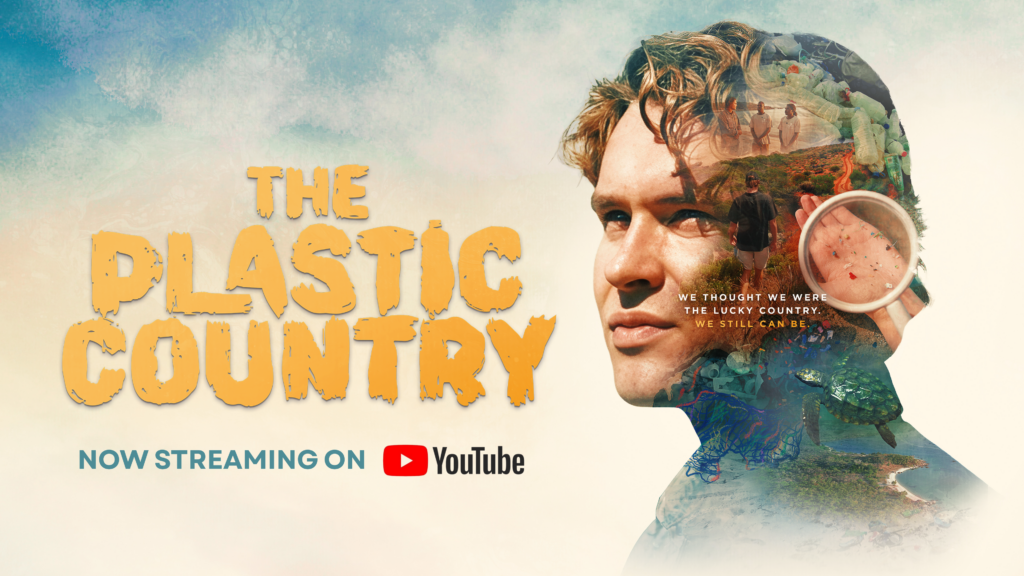
THE PLASTIC COUNTRY | GLOBAL PREMIERE ON YOUTUBE
9:00AM AEST SUNDAY 13TH SEPTEMBER
WATCH HERE: THE PLASTIC COUNTRY | Australia’s Hidden Plastic Crisis | Full Documentary
Australia, we’re known globally for our beautiful beaches, incredible wildlife and our healthy lifestyle. If you go outside at 6am you’ll see dozens of people jogging, swimming, surfing, socialising – we value our health and connection to nature.
Now what if plastic is undoing all of that?
That was the question I asked myself as I started to plan my second documentary – ‘The Plastic Country’, learning that Australia has grown to now use around 3 times the global average of plastic and has grown to be the second largest producer of plastic waste per person in the world, the question became what is plastic doing to our animals, our shorelines and importantly our own human health.
So I became the human guinea pig, got my urine tested for the plastic related chemicals ending up in our bodies and set off on a two year journey travelling around Australia, from remote beaches with First Nations Australians to Parliament House – and what I found absolutely rocked me to my core.
I’m someone who has a history tackling plastics, starting Plastic Free Cronulla (my hometown in Sydney’s south) as a teenager after a water polo training session was cancelled because of plastic pollution in the bay, this community movement helped secure legislative bans of key single-use plastic items such as plastic straws in the largest state of Australia; New South Wales.
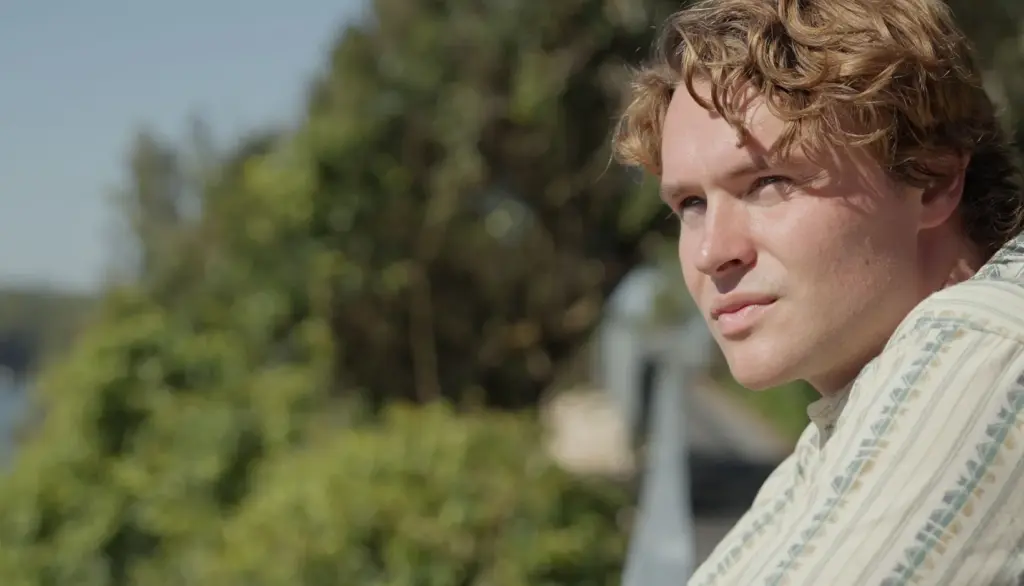
From there I was fortunate to be selected in the World Ocean Day Youth Advisory Council of 2022 and then headed to UNFCCC COP27 in Egypt and quickly learnt that as big as these global challenges are, all change starts local.
So committed to driving change locally, got elected as one of the youngest ever Councillors with the Sutherland Shire Council and co-founded Blue Minds (paying homage to the incredible Blue Minds theory by Wallace J Nichols) to help young Australians become the environmental leaders our country (and planet) need.
The core principle through my work is gratitude and love, we can’t take action unless we first look after ourselves and remind ourselves of the why – gratitude is a powerful tool. It releases all these positive chemicals in our brain like serotonin and oxytocin that make us feel good and can keep us grounded as daunting and sometimes upsetting our work is – trying to make the planet better.
This gratitude came in handy as I filmed some shocking moments for ‘The Plastic Country’, most upsetting was visiting Taronga Zoo’s wildlife hospital where they are rehabilitating sea-turtles who’ve ingested plastic that flows through stormwater drains into Sydney Harbour (yep the one from Finding Nemo!) and the beaches.
One baby turtle – Tama, was only weeks old and poo’d plastic for 8 days. Seeing the plastic and realising the impacts of our actions made me really question how we got to this point.
But the most shocking moment through this journey was getting the results of my urine test where it discovered high levels of phthalates – a chemical class that is used to make plastic soft and is also a hormone disrupter, impacting fertility.
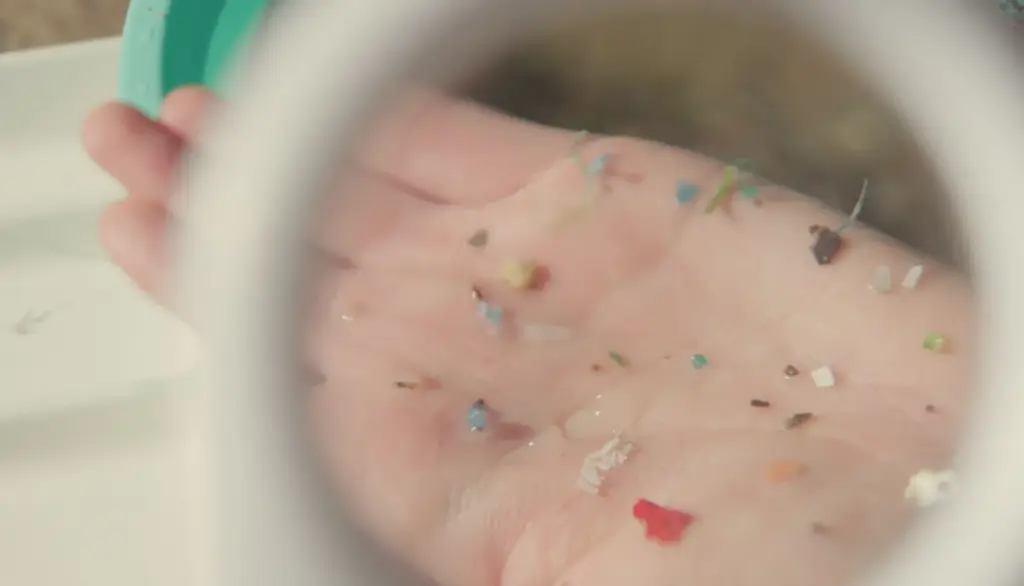
There are over 16,000 chemicals used to make plastic, and only about a quarter have been tested for human safety, which not all are safe. So the other 75% of chemicals, well who knows what that is doing to our health, if you look at fertility and other health trends, this is quite a noticeable correlation with increased plastic exposure as these chemicals leach out into us through our exposure to plastic. It is toxic trespass, we buy food and drinks, we don’t want to buy the packaging.
In Australia at a national level we’ve relied on voluntary schemes to address our plastics issue, most recently set in 2018 for 2025 targets and as we approached the end of 2025 and near the end of filming, not one target was met, in fact they all fell well short.
NATIONAL PACKAGING TARGETS VS APCO ACTUALS 2025 VOLUNTARY TARGET 2023-24 ACTUAL (APCO)
- 100% of packaging reusable, recyclable or compostable actual: 86%
- 70% of plastic packaging recycled or composted actual: 20%
- 50% average recycled content across all packaging actual: 44%
- Full phase-out of problematic and unnecessary single use plastics actual: 46% reduction against 2017-18 baseline
Source: APCO Australian Packaging Consumption and Recovery Data 2023–24
Now industry bodies are advocating for mandatory schemes, a level playing field for all businesses across the country, there is a strong push for this from diverse stakeholders but a lack of Government commitment.
Without mandatory schemes and rules, Australia will continue to be The Plastic Country and continue to risk being held hostage to global packaging supply chains (as we import 92% of plastic packaging and resins), for example Australian farmers were faced with price increases on plastics and had shortages on the plastic resins used to make milk containers earlier in the year when the Strait of Hormuz was closed
These mandatory schemes would drive innovation, jobs and significantly reduce litter. The cost of government inaction is a much higher cost on our health, our animals and our shorelines (for example the New South Wales Government discovered microplastics in every sample).
So what now? Well potentially my film ‘The Plastic Country’ might be the story the country needs to hear right now, a story of why it’s important to reduce plastic usage in our own lives to help protect our health and more importantly why we need to change the system – why we need strong policy.
I worked with an incredible crew for this film, from the Academy Award winning sound designer behind Mad Max, to co-producers of OCEAN with David Attenborough and original music by beloved Australian band King Stingray, we’ve been selling out screenings across the country.
With other health crises we’ve faced, asbestos, smoking, lead in petrol – we weren’t told to recycle more. Government stepped in and protected their citizens, we need the same action for plastics and Australia needs to at least get in line with what the EU is doing.
This is an urgent message and to help as many people, not just in Australia but around the world learn what plastic is doing to our health and planet I’ve decided to release the film for free on YouTube.
THE PLASTIC COUNTRY | Australia’s Hidden Plastic Crisis | Full Documentary
Hope you enjoy and feel optimistic that we can turn this around, not just in Australia but around the world. With plastic production expected to triple from 2025 levels to 2060, the time for action is now.
If you’re a young person looking for what you can do to tackle plastics and make a difference, the biggest suggestion that I would say is to create change in your own world.
Do a plastic audit, firstly in your own homes, then work out the local businesses you go to, the sporting clubs, the workplaces you’re a part of, your school, and all the different groups that you’re a part of. Your circle of influence.
Don’t try to change the whole world. Don’t try to solve this whole global plastic pollution problem. Just focus on changing your own world, and if all of us do that, then the world will change.
I’m extremely grateful for the Ocean Project and World Ocean Day community and a very proud alumni of the Youth Advisory Council.
About Kal Glanznig:
Kal Glanznig, a filmmaker, Councillor and leading youth ocean and climate champion, created the documentaries RISING UP (2024) and The Plastic Country (2026), co-founded Blue Minds to build the next gen of environmental leaders. A multiple TEDx and UN COP speaker, driven by the motto ‘change happens locally’ Kal was elected as an Independent Councillor for the Sutherland Shire. In high school he led a 100kW solar project, leading to 20 schools to follow suit.