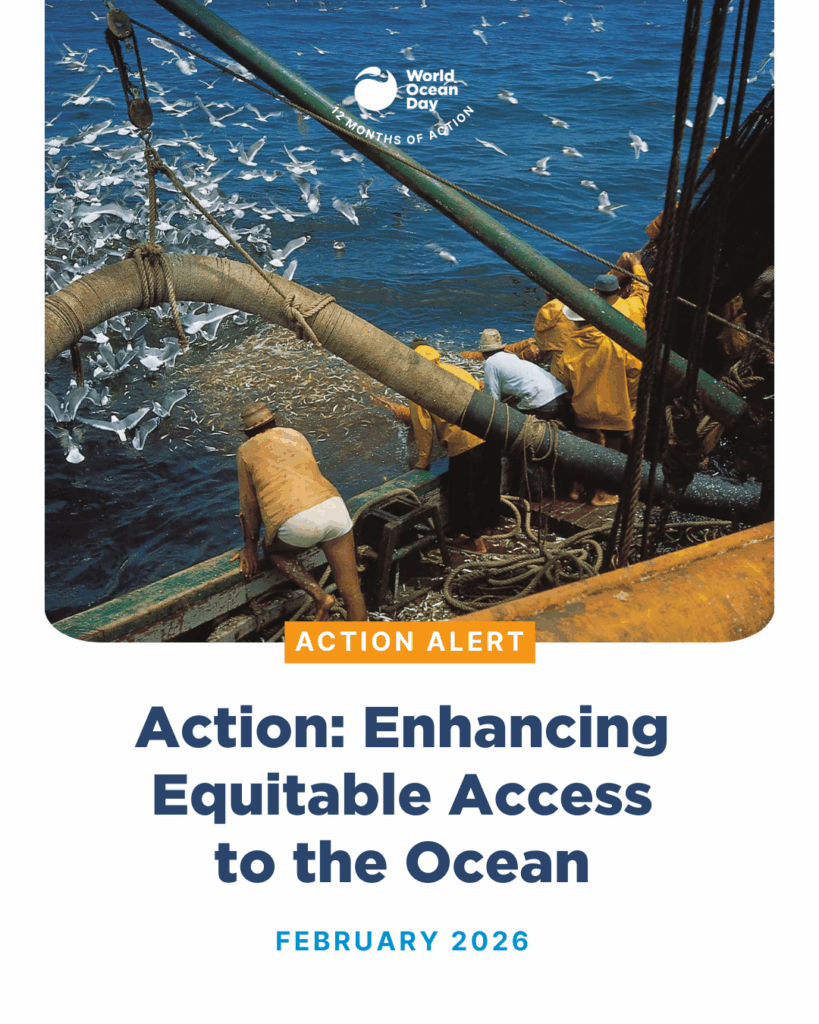
Fair and inclusive access to the ocean means ensuring that everyone can enjoy, use, and benefit from it, not just a select few individuals, groups, or industries, while collectively caring for the world’s greatest public resource.
What this includes
Physical access to coasts and the ocean for culture, connection, commerce, and recreation
Fair access for local and Indigenous communities, including protection of and access to traditional fishing areas
Equitable opportunities to benefit from the commercial use of the ocean
Elevating youth and community voices and ensuring meaningful representation in decision-making as to how the ocean is used and protected
Access to education and careers, especially intentional support for youth and historically excluded communities
Together, we can help prioritize access for non-consumptive, non-polluting, and culturally important uses of the coast and ocean over those that are extractive, polluting, or harmful to people, wildlife, or the environment.
Learn more and get involved with these and other organizations fighting for equity and ocean justice
Ocean Equity — overview of what equitable access to ocean resources and benefits means and why it’s needed for a sustainable ocean economy.
Blue Justice (Wikipedia) — explains how small-scale fishing communities are affected by broader “blue economy” initiatives and why rights and wellbeing matter.
Public Trust Doctrine (Wikipedia) — describes the legal principle that often underpins fair public access to coastal areas and waters in the U.S.