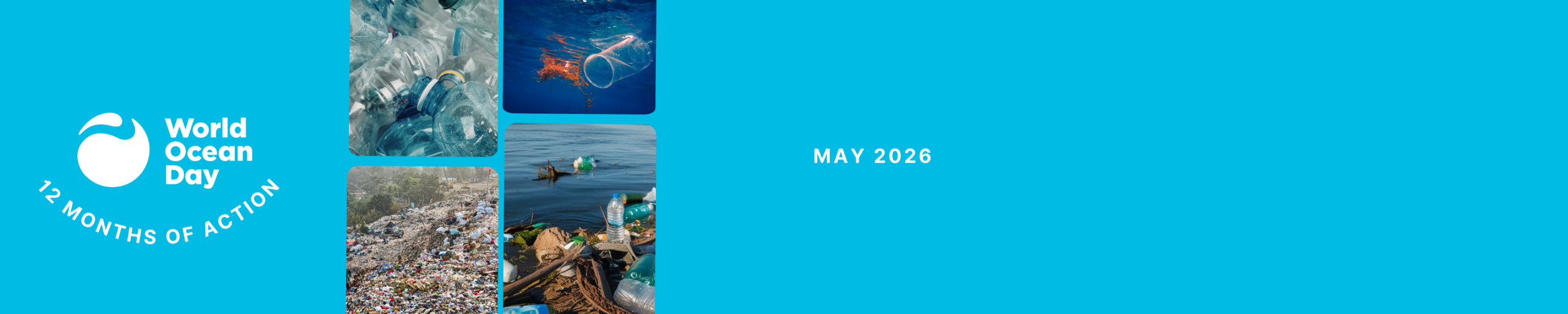
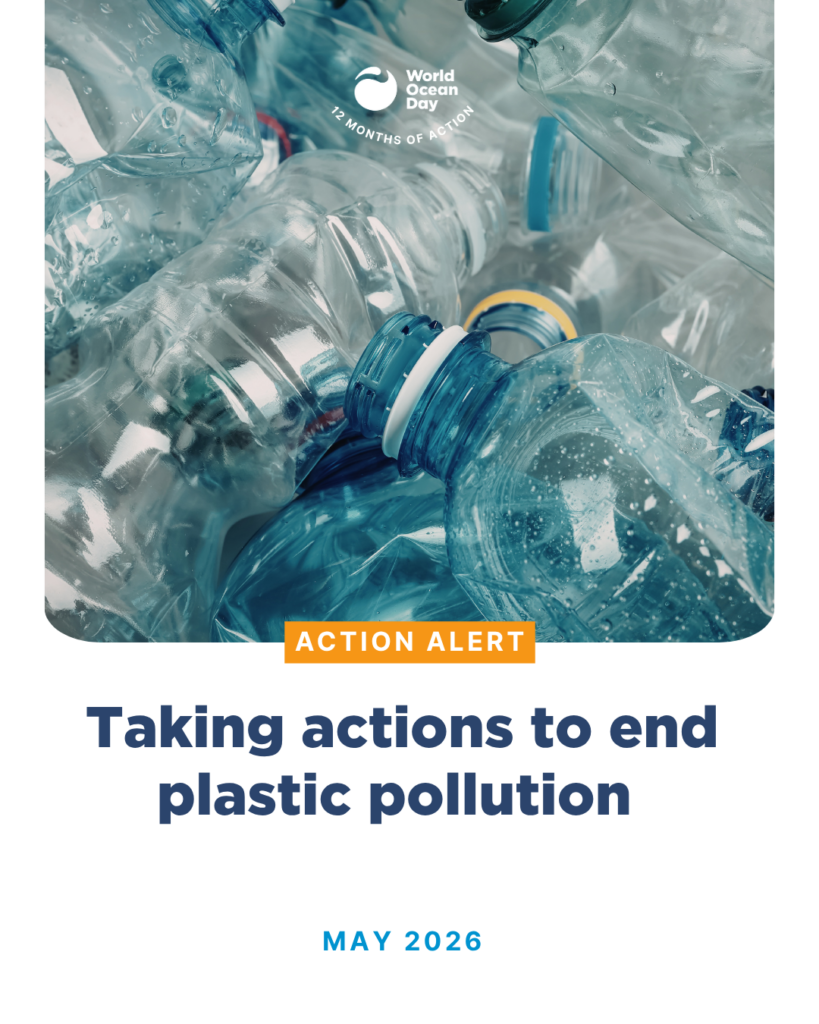
Plastic pollution is often discussed as an ocean problem, and the images of marine life tangled in debris are difficult to ignore. The issue, however, extends well beyond the shoreline.
Plastic does not biodegrade; it fragments into microplastics and nanoplastics, which have now been detected in human blood, lungs, and placentas. These particles also carry chemicals such as BPA, phthalates, and PFAS, which are associated with hormone disruption, fertility issues, cardiovascular disease, and certain cancers. The plastic accumulating in our ocean is the same material making its way into our bodies, which makes this as much a public health concern as an environmental one.
For May’s Action, consider doing one (or all!) of these suggestions:
WatchThe Plastic Detox on Netflix. It offers a clear look at how plastic enters everyday life and provides practical alternatives worth adopting.
Address the most common sources of plastic at home. Replace plastic food storage with glass or stainless steel, switch to a refillable water bottle, and choose personal care and cleaning products packaged in aluminum, glass, or refillable formats.
Support broader systemic change. Back legislation that limits single-use plastics and holds producers accountable, and consider supporting organizations such as the Plastic Pollution Coalition or 5 Gyres, which work to drive corporate and policy reform.